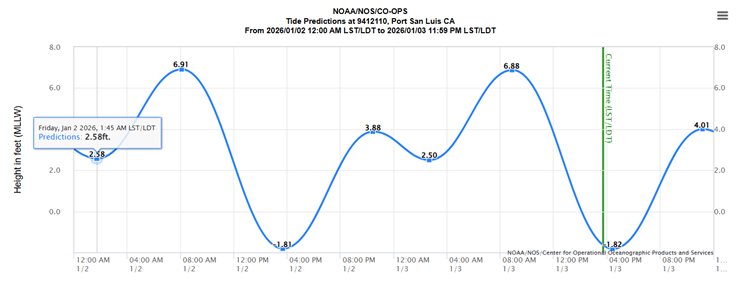
On January 2, 2026, in Morro Bay the tides swung from a high of +6.91 feet above Mean Low Low Water (MLLW) to a low of -1.81 below MLLW, a swing of 8.72 feet.
Thanks to Robert Reese of Reese Water and Land Surveying Services, we have some images of the bay to show what that change looks like.
Photo gallery courtesy of Robert Reese (all photos taken on January 2, 2026)
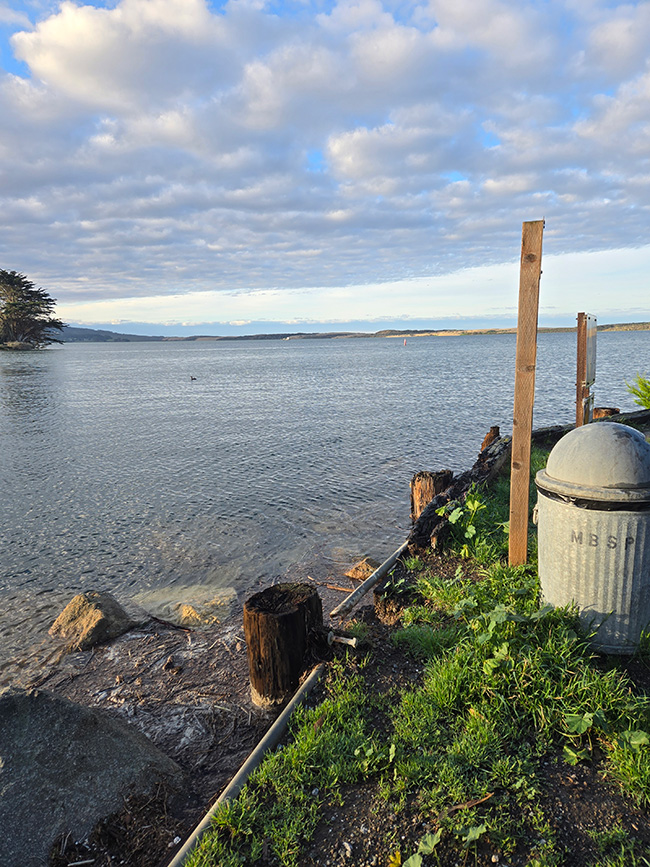
8:16 am – State Park Marina 35 20 46.7, -120 50 35.3 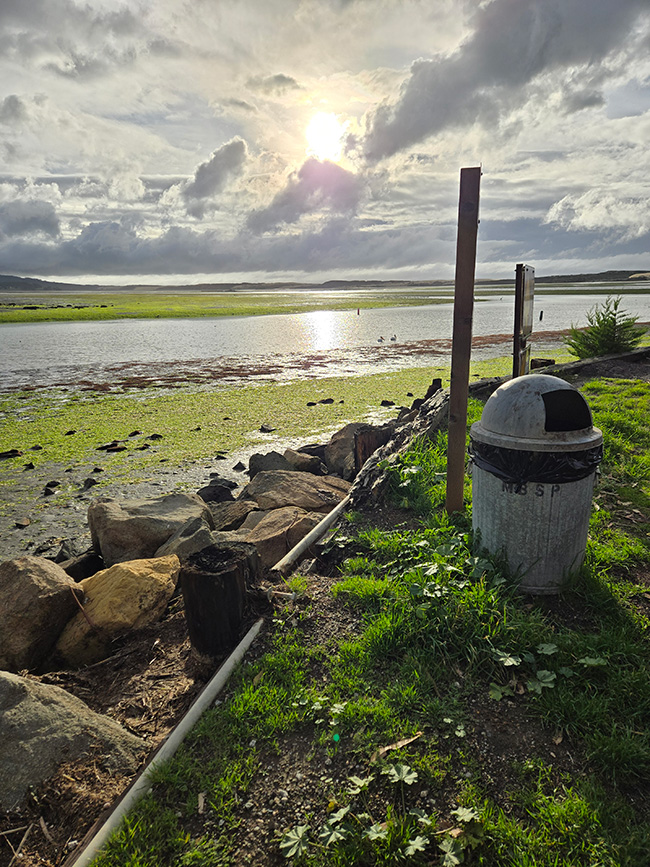
3:40 pm – State Park Marina 35 20 46.7, -120 50 35.3 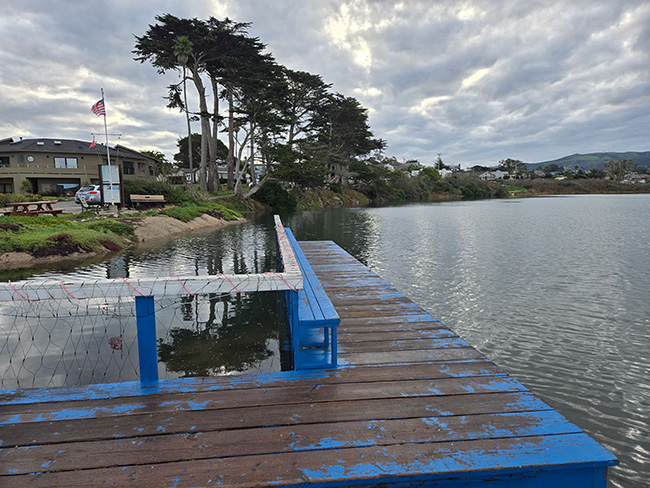
8:36 am – Baywood dock 35 19 36.3, -120 50 28.5 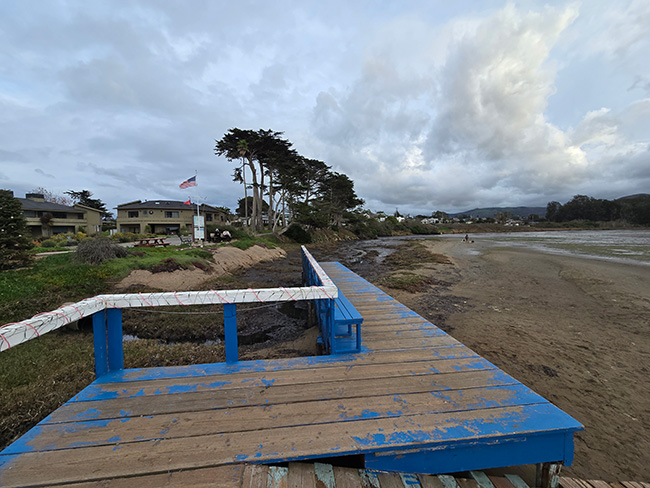
4:04 pm – Baywood dock 35 19 36.3, -120 50 28.5 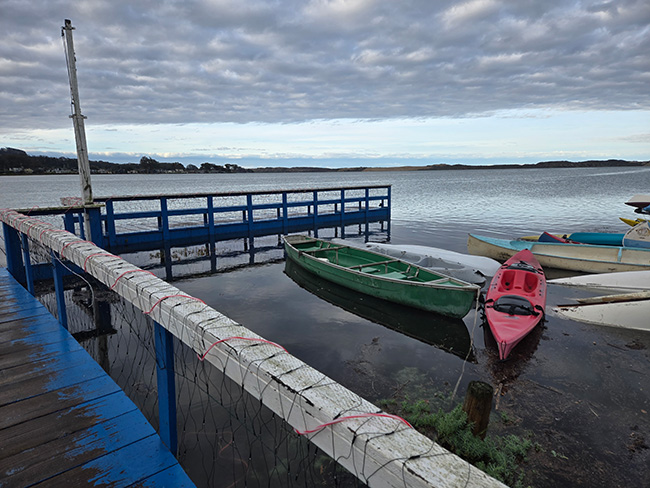
8:35 am – Baywood dock 35 19 36.3, -120 50 28.5 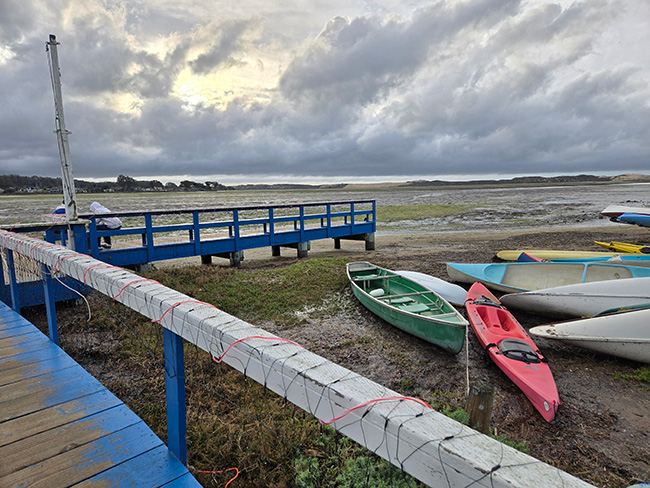
4:03 pm – Baywood dock 35 19 36.3, -120 50 28.5 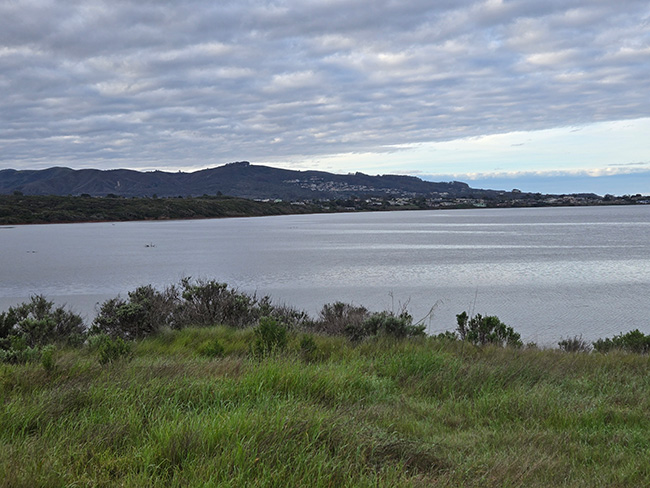
8:28 am – South Bay Blvd turnout 35 20 52.1, -120 49 35.4 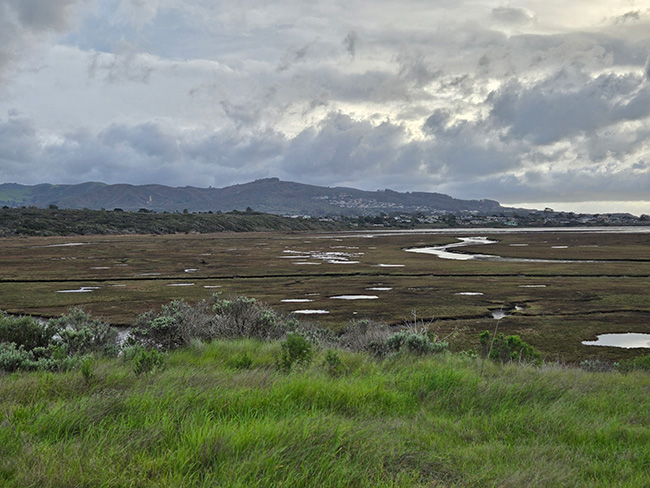
3:56 pm – South Bay Blvd turnout 35 20 52.1, -120 49 35.4 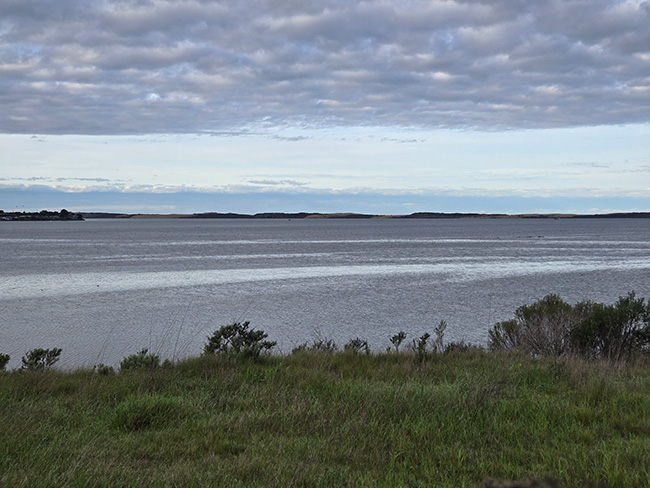
8:28 am – South Bay Blvd turnout 35 20 52.1, -120 49 35.4 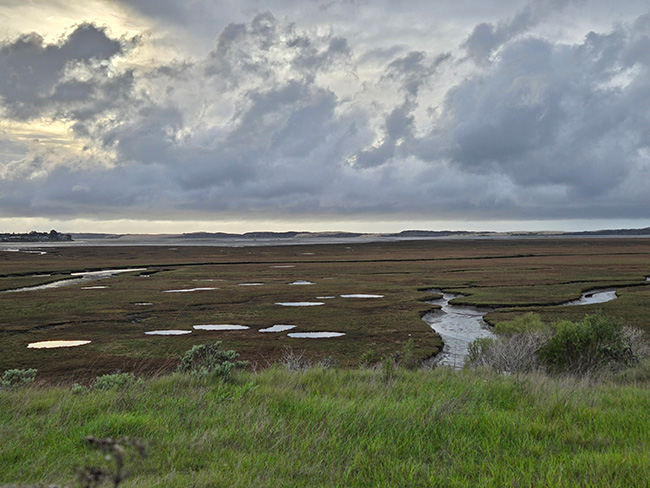
3:55 pm – South Bay Blvd turnout 35 20 52.1, -120 49 35.4 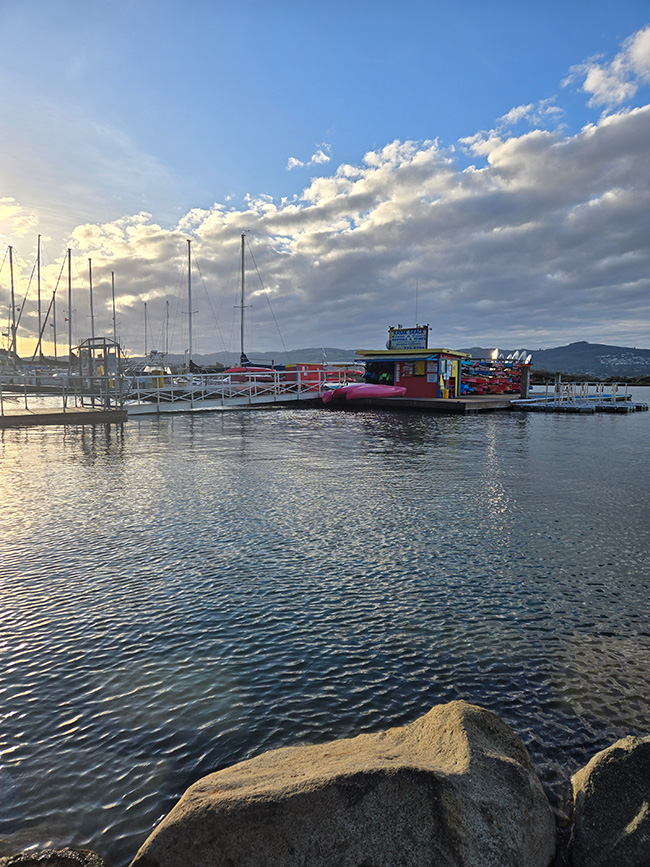
8:16 am – State Park Marina 35 20 46.7, -120 50 35.3 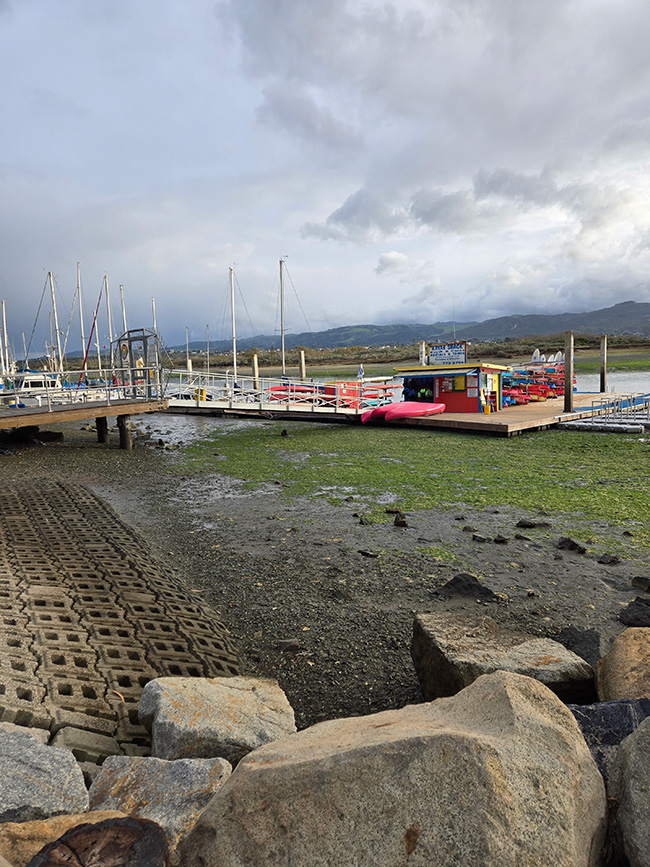
3:41 pm – State Park Marina 35 20 46.7, -120 50 35.3 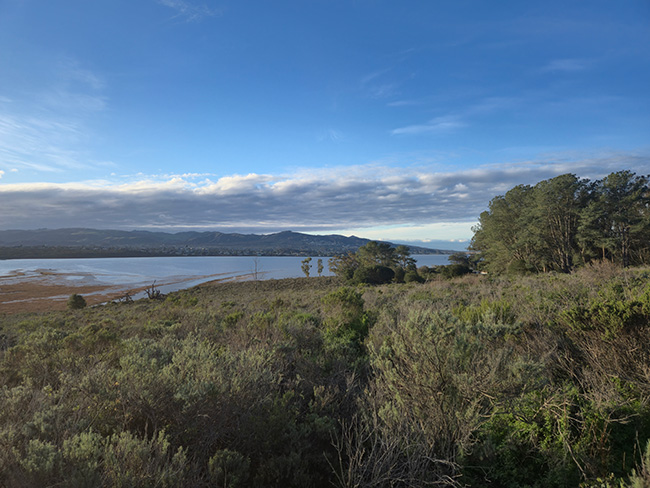
8:08 am – Lower State Park Rd turnout 35 21 05.0, -120 50 01.2 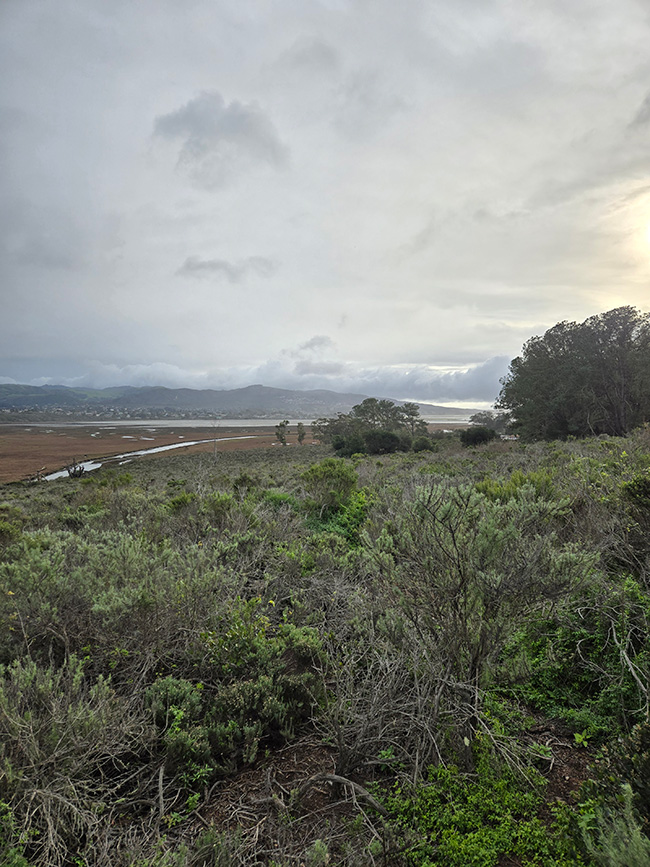
3:33 pm – Lower State Park Rd turnout 35 21 05.0, -120 50 01.2 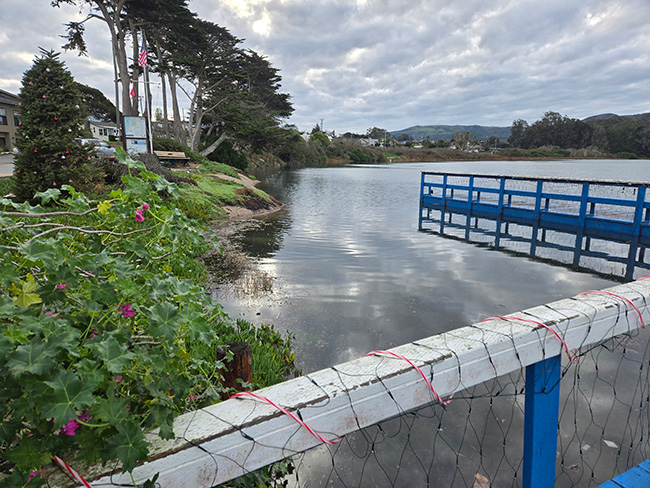
8:36 am – Baywood dock 35 19 36.3, -120 50 28.5 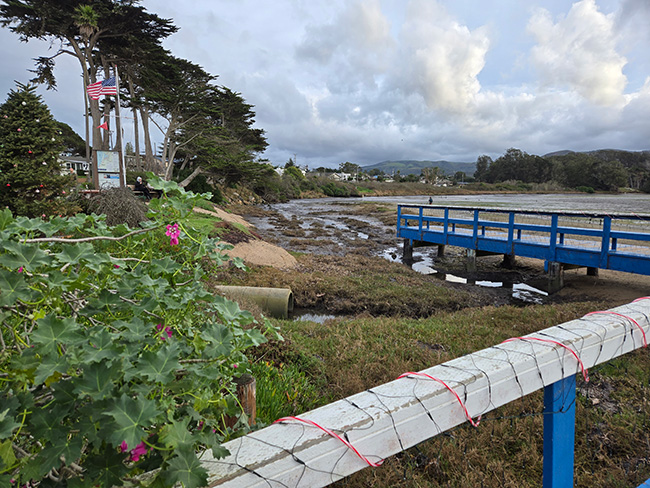
4:0s pm – Baywood dock 35 19 36.3, -120 50 28.5
On the same day the swing in tides in Seattle was 15.91 feet. This got us thinking in the Parallax newsroom, what is the history of the term King Tides. Our research lead us to the following article from the Coos Bay Gazette
How did we get “King Tides”
By: Ken Stigid
Coos Bay Gazette
April 31, 1921
With the perigean spring tide occurring last week, I heard Frank Alcoa calling it a “King Tide” at Coos Bay Barbers. This got me to thinking why are they called “King Tides” instead of the correct term. Well, lucky for us here along the bay, we have an expert in tides and weather conditions, Dr. Robbins, who lives in Northbend. I set up an appointment to see Dr. Robbins, in hopes of getting the lowdown on the term “King Tides”.
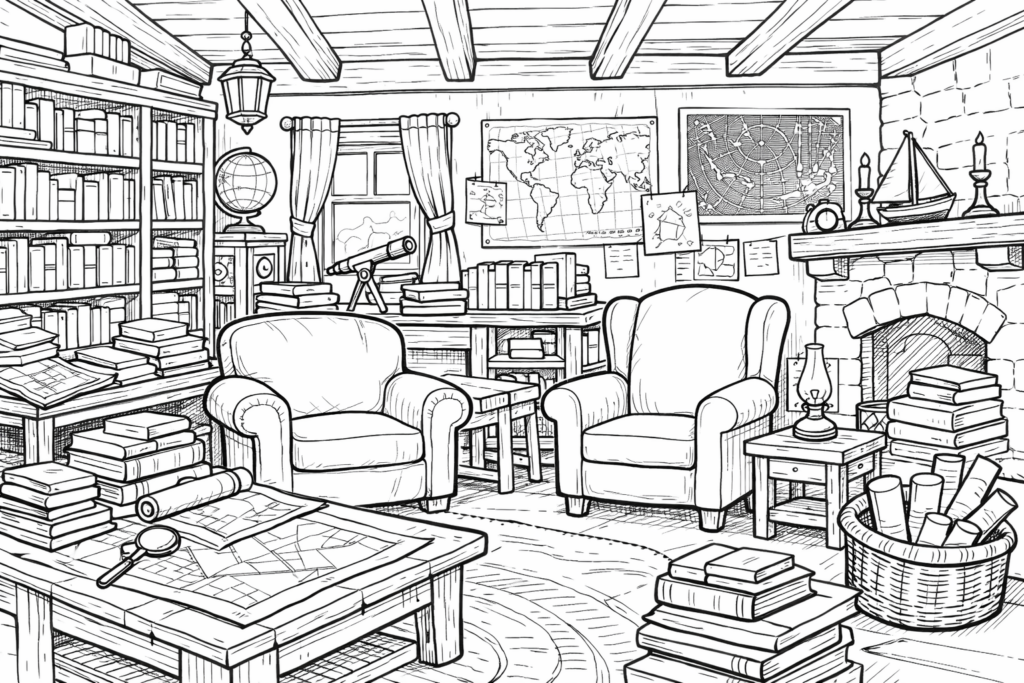
Dr. Robbins lives in a small cottage on Meade Avenue, just a few blocks from the bay. Her cottage did not disappoint in what you would think a professor’s abode would be. The living room was filled with books, charts and folders stacked high on the coffee table. There were only two empty chairs, but they were comfortable. She made us both some tea and then we sat down as she relayed the following story to me.
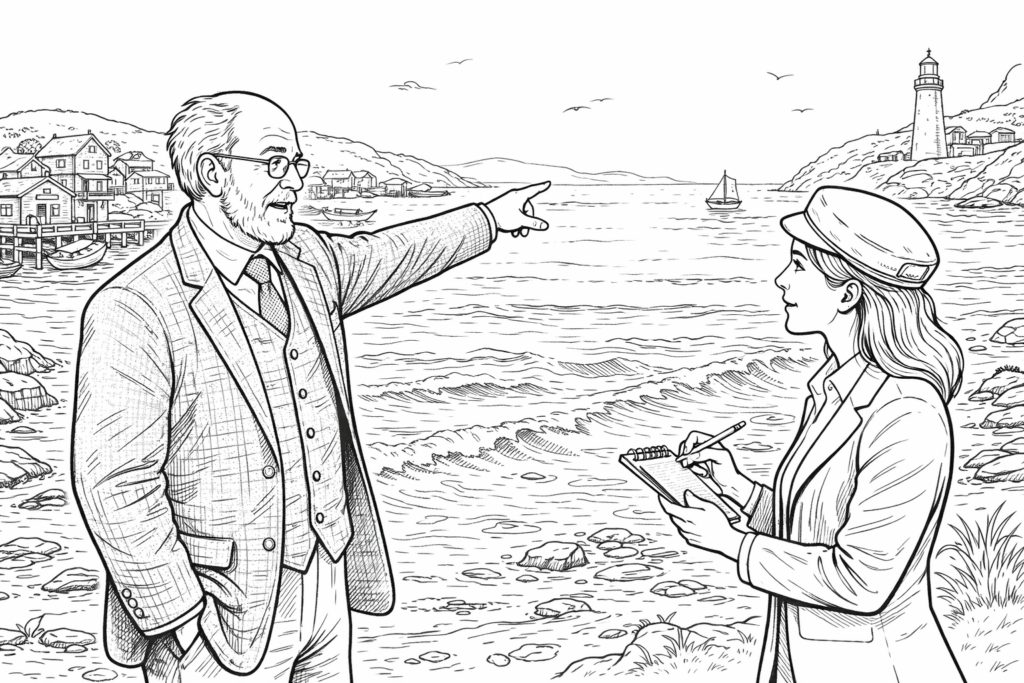
When doing her undergraduate work at Universidad de Las Américas in Ecuador, she met a professor who became her mentor. He was Dr. Albert King, a highly respected oceanographer and lunarologist. At the time he was focusing on the cause of perigean spring tides and considered the foremost expert in the field. That spring the measurement between the high and low tides in Cojimies, Ecuador was 18.95 feet, causing most of the town to be under water. This was a major concern to the Ecuadorians, as their naval academy was based in the town and completely flooded at high tide. At the time there was a New York Times reporter in Cuenca covering the war between Ecuador and Peru. The reporter heard about the disaster at Cojimies and knew about Dr. King. Sensing a good story the reporter met with Dr. King to understand how this could happen and learned all about the tides and how this could happen in the United States also. The reporter telegrammed his story to the Times, referring to Dr. King and his expertise in this tide. The editors at the Times gave the story the headline “Disaster of King Tides”. Ever since then these have been known as “King Tides”
That was quite a story, from Dr. Robbins, who refuted the conclusion at Coos Bay Barbers, that the name came from the large change in the water levels from high to low tides. That just goes to show that just because there is consensus doesn’t make it true.
Remember, next Sunday is the annual Kiwanis’s pancake breakfast in Ferry Road Park starting at 8:30 sharp!
For more information on tides see:
For NOAA tide predictions along California coast, see
https://tidesandcurrents.noaa.gov/tide_predictions.html?gid=1393
For NOAA tide predications at Port San Luis tide station ID 9412110, see
https://tidesandcurrents.noaa.gov/noaatidepredictions.html?id=9412110

Leave a Reply