
Spring and early summer are the times in California when there is the greatest chance of getting Lyme Disease.
We are lucky on the Central Coast as the number of cases is relatively small: from 2001 to 2023, San Luis Obispo County has had 26 cases, and Santa Barbara has had 66 cases. Still, as we are a profession that often works in rural areas, we land surveyors should be conscious of the symptoms of Lyme Disease and Alpha-Gal Syndrome (AGS),the second most common major disease caused by tick bites.
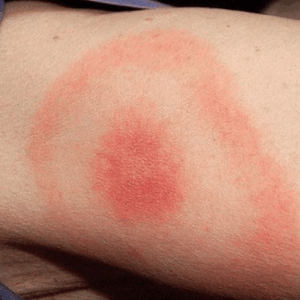
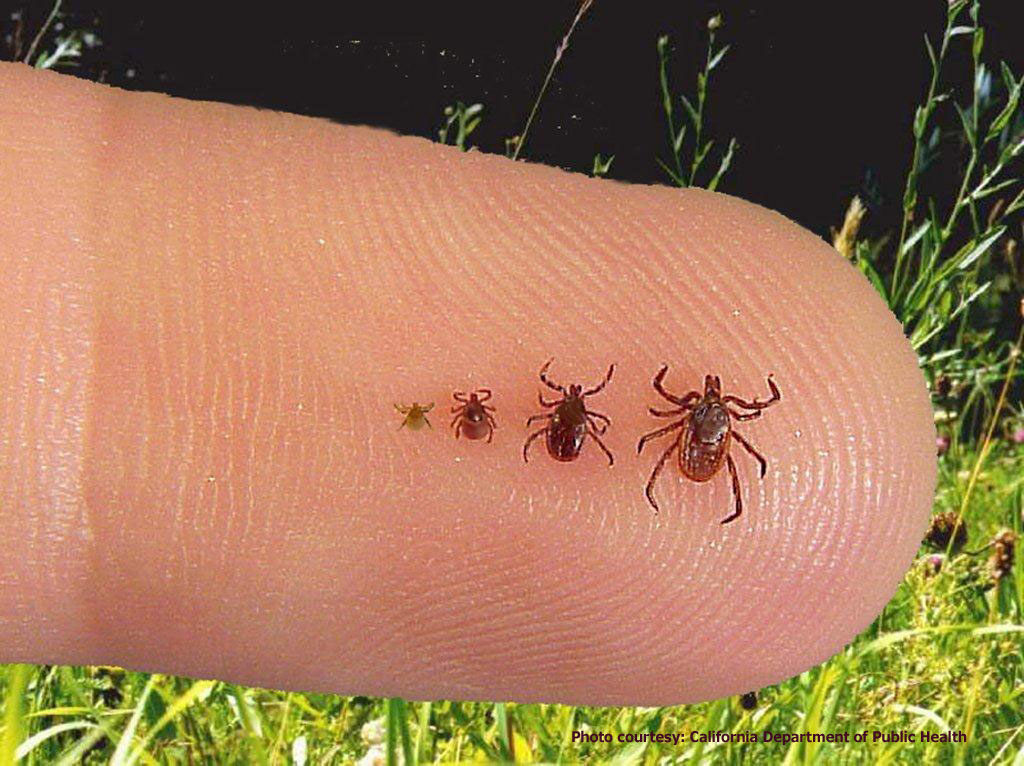
For those of you working in the rural areas, the California Department of Public Health has good general page on Lyme Disease which can be found here: Lyme Disease. Please take some time to review if you have any concerns about Lyme Disease.
Currently Alpha-Gal Syndrome (AGS) cases are rare in California and in the western states. There is some confusion in reporting AGS, because there is only an emerging understanding of AGS. In an article published by Tick-Borne Conditions United titled “Alpha-Gal by the Numbers: A comparison of Lyme, AGS and other tick-Borne disease cases from 2017-2021”, only a few southern and eastern states were listed as having had cases. In a CDC report titled ” Geographic Distribution of Suspected Alpha-gal Syndrome Cases — United States, January 2017–December 2022” the geographic distribution map shows a small number of suspected cases on the west coast, including San Luis Obispo and Santa Barbara Counties. Both articles have links to sites with more information on AGS. The lone star tick is a vector for AGS, but is only reported in the eastern, central and southeastern US.
As we all know, it is a good idea to check yourself after being out in rural areas, as it is always best to remove any ticks immediately even if that means thinking you feel them crawling over you for the rest of the day!
See OSHA Fact Sheet for more information about exposure to Disease-Carrying ticks.
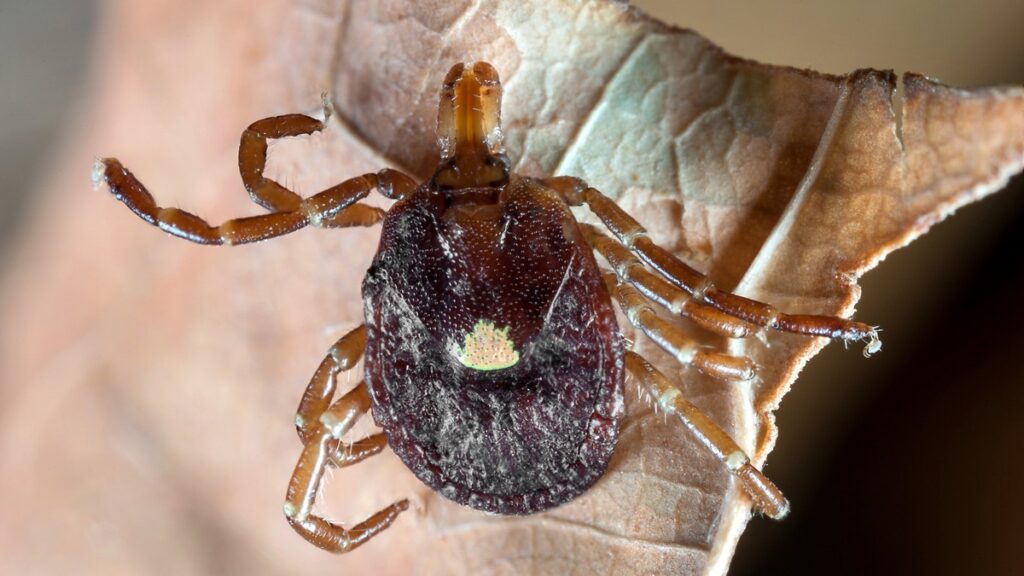
NSPS has just put out a bulletin on the “Lone Star Tick”, leave it to Texas to have the worse tick out there. Actually, it is called the “Lone Star” tick because of the white spot on its back.
“I usually describe them as bullies that will beat you up to take your lunch money!”
Holly Gaff, Professor & Chair. Biological Sciences at Old Dominion University
Currently this tick is found in the south, but it is spreading.


Leave a Reply